Learn to surf with expert instructors, all equipment included. Discover what happens during a beginner surf lesson, what to bring, and why Ireland is a fantastic place to start surfing
Surfing is one of the most exciting outdoor activities you can try in Ireland. With its spectacular Atlantic coastline, long sandy beaches, consistent waves, and welcoming surf communities, Ireland has become one of Europe’s leading surf destinations. For beginners and intermediate surfers alike, a professionally guided surf lesson offers the perfect introduction to the sport.
Whether you’re looking to stand on a surfboard for the very first time or improve existing skills, structured surf lessons provide expert guidance, quality equipment, and a safe environment to build confidence in the water.
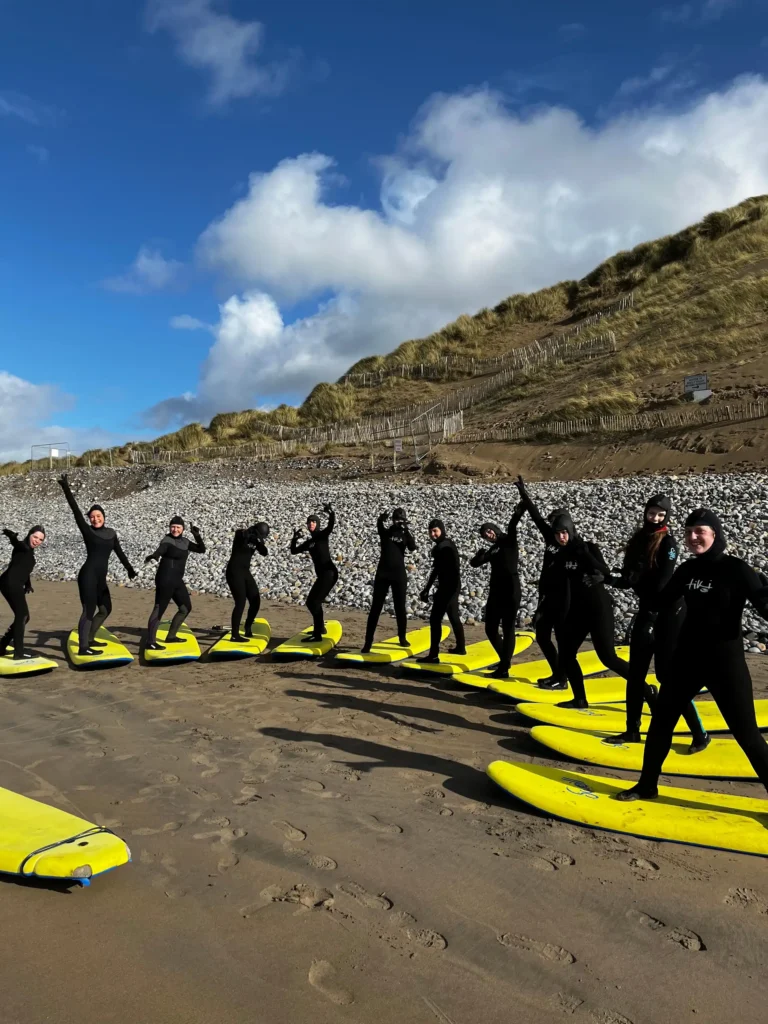
Why Learn to Surf in Ireland?
Ireland’s west and south coasts are exposed to Atlantic swells that generate reliable surf conditions throughout much of the year. Combined with beautiful beaches and experienced instructors, the country offers excellent opportunities for learning.
Benefits of taking surf lessons in Ireland include:
- Consistent beginner-friendly waves.
- Professional instruction.
- Wide sandy beaches.
- Safe learning environments.
- High-quality surf equipment provided.
- Suitable conditions for children and adults.
- Beautiful coastal scenery.
Many people are surprised by how quickly they can learn the basics of surfing with proper coaching and suitable conditions.
Who Are Surf Lessons Suitable For?
Most surf schools cater for beginners and intermediate surfers from approximately eight years of age and above.
Lessons are designed to accommodate:
- Complete beginners.
- Families.
- Children.
- Teenagers.
- Adults.
- Groups of friends.
- Solo travellers.
- Intermediate surfers seeking progression.
No previous surfing experience is required for beginner lessons.
What Is Included in a Surf Lesson?
One of the advantages of joining a professional surf lesson is that all specialist equipment is typically provided.
Equipment usually includes:
- Surfboard.
- Wetsuit.
- Surf boots.
- Safety equipment where required.
- Qualified instruction.
- Use of changing facilities.
- Access to showers.
This means participants only need to bring a few personal items.
What Should You Bring?
For most surf lessons, you only need:
- Swimwear.
- Towel.
- Warm clothes for afterwards.
- Bottle of water.
- Sunscreen during warmer months.
Everything else is provided by the surf school.
Arrival and Check-In
Your surfing experience begins when you arrive at the surf school’s beachfront location.
After checking in, a member of the team will welcome participants and provide an overview of the session. This introduction typically covers:
- The lesson structure.
- Beach facilities.
- Meet the instructors.
- Safety information.
- What to expect during the session.
This initial briefing helps everyone feel comfortable before entering the water.
Getting Equipped
Once checked in, participants are fitted with a wetsuit and surf boots.
Properly fitted equipment is important because it helps maintain warmth, comfort, and mobility while surfing.
After changing, the group prepares to head to the beach.
One small detail that many beginners appreciate is that instructors typically carry the surfboards to the lesson area, allowing participants to conserve their energy for the water.
The Beach Introduction
Before entering the sea, the lesson begins with a practical introduction on the sand.
This section generally lasts around 15 minutes and covers the essential fundamentals of surfing.
Topics often include:
- Understanding the surfboard.
- Correct paddling position.
- How to catch a wave.
- The pop-up technique.
- Balancing on the board.
- Ocean awareness.
- Basic surf safety.
This dry-land practice helps build confidence before attempting the techniques in the water.
Entering the Water
Once the group is comfortable with the basics, the lesson moves into the water.
Beginner sessions are usually conducted in shallow areas with smaller waves that are suitable for learning.
Throughout the lesson, qualified surf instructors remain close by to provide guidance and support.
Many beginners manage to stand up on their board during their first lesson, although every participant progresses at their own pace.
Learning Key Surfing Skills
As the session progresses, instructors help participants develop the core skills required for surfing.
These include:
- Wave selection.
- Timing.
- Balance.
- Board control.
- Paddling technique.
- Body positioning.
- Safe falling techniques.
Regular feedback from instructors helps participants improve quickly while building confidence in the water.
Qualified Surf Instructors
Professional surf lessons are led by fully qualified instructors who have received recognised training and certification.
Experienced instructors provide:
- Technical coaching.
- Safety supervision.
- Ocean awareness training.
- Encouragement and support.
- Personalised feedback.
Their expertise allows beginners to learn in a structured and enjoyable environment.
Surfing at Your Own Pace
One of the most important aspects of a quality surf lesson is recognising that every participant learns differently.
Some people may stand on their board within minutes, while others take longer to develop confidence in the water.
Good instructors encourage participants to progress at a comfortable pace without pressure or unrealistic expectations.
The focus is always on enjoyment, learning, and building confidence rather than achieving perfection.
Why Surf Lessons Last Around 2.5 Hours
A typical surf lesson lasts approximately two and a half hours.
This duration allows sufficient time for:
- Check-in and preparation.
- Equipment fitting.
- Safety briefing.
- Beach instruction.
- Practical surfing time.
- Feedback and progression.
- Returning equipment.
The schedule strikes a balance between learning opportunities and physical exertion, making it suitable for most participants.
Facilities After Your Lesson
After leaving the water, participants return to the surf school’s beachfront facilities.
Most locations provide:
- Hot showers.
- Changing rooms.
- Equipment return areas.
- Comfortable facilities for drying off.
Having access to showers and changing facilities is particularly welcome after spending several hours in the Atlantic Ocean.
Exploring the Local Area Afterwards
One of the pleasures of surfing in Ireland is the relaxed coastal atmosphere that often surrounds surf towns and beaches.
After your lesson, many visitors choose to unwind in nearby cafés, restaurants, or pubs.
Popular post-surf activities include:
- Coffee with sea views.
- Fresh seafood lunches.
- Traditional Irish food.
- Exploring local coastal walks.
- Watching other surfers from the beach.
Many surf destinations have vibrant local communities that add to the overall experience.
Who Will Enjoy Surf Lessons?
Surf lessons appeal to a wide range of visitors.
- First-time surfers.
- Adventure seekers.
- Families.
- Groups.
- Couples.
- Solo travellers.
- Teenagers.
- Anyone wanting to experience Ireland’s coastline from a different perspective.
Frequently Asked Questions
Do I need previous surfing experience?
No. Beginner surf lessons are specifically designed for people with no prior experience.
What age can children start surfing lessons?
Most lessons are suitable for children aged eight and above, although age requirements may vary by provider.
Is all equipment included?
Yes. Surfboards, wetsuits, and surf boots are typically provided as part of the lesson price.
How long does a surf lesson last?
Most sessions last approximately 2.5 hours from check-in to completion.
What should I bring?
You generally only need swimwear, a towel, and warm clothing for after the lesson.
Will I stand up on the surfboard during my first lesson?
Many beginners do manage to stand during their first lesson, although individual progress varies.
Are lessons suitable for nervous swimmers?
Lessons take place in carefully selected conditions with qualified instructors providing close supervision and support.
What happens if the weather is poor?
Surf schools continuously monitor conditions and may adjust lessons or schedules if safety concerns arise.
Do instructors stay with the group in the water?
Yes. Qualified instructors remain with participants throughout the lesson to provide coaching and ensure safety.
Are there showers and changing rooms available?
Yes. Most professional surf schools provide changing facilities and showers for use before and after lessons.