Thinking about trying scuba diving in Ireland? Learn what to expect from a try scuba diving experience in Galway, including costs, safety, marine life and beginner advice.
Scuba diving in Ireland offers a surprisingly rich underwater environment, with clear Atlantic waters, thriving marine ecosystems, reefs, kelp forests, historic wrecks, and unique coastal landscapes.
For beginners, one of the most accessible introductions to the sport is the popular Try Scuba Diving in Galway, Ireland experience based in Connemara.
Unlike tropical destinations where warm water is often the main attraction, diving in Ireland focuses on marine biodiversity, dramatic underwater scenery, and authentic adventure. Galway’s coastline provides an ideal environment for first-time divers thanks to its sheltered bays, fascinating sea life, and experienced local instructors.
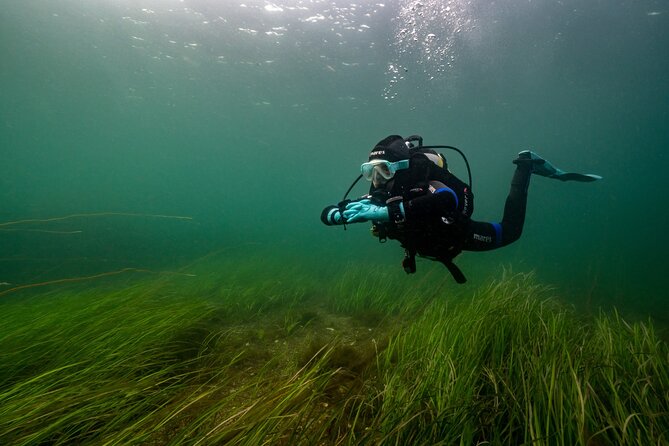
Why Galway is One of the Best Places to Try Scuba Diving in Ireland
County Galway sits along Ireland’s Wild Atlantic Way and provides access to some of the country’s most diverse coastal habitats. The Connemara region, particularly around Carraroe and Coral Strand, offers conditions that are well suited to beginner diving experiences.
Several factors make Galway stand out:
- Protected bays reduce the impact of Atlantic swells.
- Excellent marine biodiversity close to shore.
- Shallow diving sites suitable for beginners.
- Experienced instructors familiar with local conditions.
- Unique underwater landscapes including reefs and kelp forests.
- Easy access from Galway City.
For many visitors, a try dive in Galway becomes their first introduction to the wider world of Irish scuba diving.
What is a Try Scuba Diving Experience?
A try scuba diving session is designed specifically for people who have never dived before. No certification is required, and participants receive a safety briefing before entering the water.
The experience typically includes:
- Introduction to scuba equipment.
- Basic breathing techniques.
- Safety procedures.
- Hand signals used underwater.
- Supervised practice in shallow water.
- Guided underwater exploration.
Instructors remain with participants throughout the dive, ensuring safety and helping new divers gain confidence underwater.
The Galway Dive Experience Step by Step
Arrival and Registration
Most operators ask participants to arrive early to complete medical questionnaires and receive an introduction to the day’s activities.
Equipment Fitting
All essential equipment is provided, including:
- Wetsuit
- Buoyancy Control Device (BCD)
- Regulator
- Cylinder
- Mask
- Fins
- Weight system
- Hood and gloves when required
Proper equipment fitting is critical for comfort and safety, particularly in Ireland’s cooler waters.
Safety Briefing
Before entering the water, instructors explain:
- How to breathe through a regulator.
- How to clear water from a mask.
- Equalisation techniques.
- Emergency procedures.
- Communication underwater.
Shallow Water Skills
Participants begin in very shallow water where they can stand comfortably. This stage allows beginners to become familiar with breathing underwater and moving with scuba equipment.
The Guided Dive
Once everyone is comfortable, the group moves into slightly deeper water. Depths are usually kept conservative, often between 3 and 6 metres depending on conditions and participant confidence.
The focus is on enjoying the underwater environment rather than reaching depth.
Marine Life You May Encounter in Galway
One of the biggest surprises for first-time divers in Ireland is the variety of marine life found close to shore.
Common sightings include:
- Ballan wrasse
- Cuckoo wrasse
- Corkwing wrasse
- Gobies
- Blennies
- Spider crabs
- Brown crabs
- Lobsters
- Starfish
- Sea anemones
- Sea slugs (nudibranchs)
- Jellyfish during certain seasons
The extensive kelp forests found around Connemara create important habitats for countless marine species and add a dramatic visual element to the dive.
Coral Strand: A Unique Dive Location
Many Galway beginner dives take place near Trá an Dóilín, commonly known as Coral Strand. This beach is famous for its unusual surface, which consists largely of fragmented coralline algae rather than traditional sand.
The sheltered waters around Coral Strand provide an ideal setting for introductory dives. Visibility varies throughout the year but can be excellent during calm weather conditions.
The combination of clear water, marine life, and natural beauty makes it one of the most distinctive beginner dive locations in Ireland.
Water Temperature and Conditions
Ireland’s waters are cooler than many holiday diving destinations, but modern equipment makes diving comfortable throughout much of the year.
| Season | Typical Water Temperature |
|---|---|
| Spring | 8°C to 11°C |
| Summer | 13°C to 17°C |
| Autumn | 12°C to 16°C |
| Winter | 7°C to 10°C |
Summer generally offers the most comfortable conditions for first-time divers, although diving takes place year-round in many parts of Ireland.
Who Can Take Part?
Most beginner scuba experiences are open to participants who:
- Are in reasonable health.
- Can swim or are comfortable in water.
- Meet minimum age requirements set by the operator.
- Have no medical conditions that prevent diving.
Participants with asthma, heart conditions, recent surgeries, or certain medical issues may require clearance from a doctor before diving.
Safety Standards
Irish dive operators typically follow internationally recognised training systems and safety procedures.
Key safety measures include:
- Qualified instructors.
- Small instructor-to-student ratios.
- Comprehensive equipment checks.
- Emergency oxygen availability.
- Weather and sea condition assessments.
- Conservative dive profiles.
For beginners, safety remains the highest priority throughout the experience.
How Much Does Try Scuba Diving in Galway Cost?
Prices vary depending on the operator and season, but introductory diving experiences in Galway generally range from €150 per person.
Most packages include:
- Equipment hire.
- Instructor supervision.
- Insurance where applicable.
- Safety briefing.
- Guided dive experience.
Photography, videos, and additional activities may be available at extra cost.
What Should You Bring?
Participants typically need only a few personal items:
- Swimwear.
- Towel.
- Warm clothing for afterwards.
- Waterproof footwear.
- Drinking water.
- Personal medication if required.
Everything directly related to diving is usually provided by the operator.
Can You Continue Diving After a Try Dive?
Many participants discover that a try dive becomes the starting point for a long-term interest in scuba diving.
After completing a beginner session, divers often progress to internationally recognised certification programmes that allow them to dive independently with a buddy.
Training agencies offer courses that teach navigation, buoyancy control, rescue skills, underwater communication, and dive planning.
Other Places to Go Scuba Diving in Ireland
While Galway provides an excellent introduction, Ireland offers numerous outstanding diving destinations for those wishing to explore further.
Aran Islands, County Galway
The waters surrounding the Aran Islands are known for exceptional visibility, dramatic underwater topography, and abundant marine life.
Renvyle, County Galway
Renvyle has long been regarded as one of Ireland’s premier dive destinations, offering access to reefs, walls, and wreck sites.
Kerry Coast
County Kerry provides spectacular Atlantic diving with reefs, caves, and diverse marine ecosystems.
Cork Harbour
Cork offers a mixture of shore diving and wreck diving opportunities, including historic maritime sites.
Donegal
Donegal’s rugged coastline is famous for underwater cliffs, caves, and some of the most dramatic dive sites in the country.
For anyone curious about breathing underwater for the first time, Try Scuba Diving in Galway offers one of Ireland’s most accessible and rewarding introductions to the sport. The sheltered waters of Connemara, rich marine life, experienced instructors, and unique Coral Strand environment combine to create an experience that is both educational and memorable.
Whether your goal is simply to try something new during a visit to Galway or to begin a lifelong diving journey, Galway’s beginner dive experiences provide an excellent gateway to Ireland’s remarkable underwater world.
Frequently Asked Questions
Do I need a diving licence to try scuba diving in Galway?
No. Beginner experiences are specifically designed for people with no previous diving certification.
Can non-swimmers participate?
Requirements vary by operator, but most participants should be comfortable in water and able to swim.
How deep will I dive?
Most introductory dives remain within shallow depths of approximately 3 to 6 metres.
Is scuba diving in Galway safe?
Yes. Qualified instructors closely supervise participants and follow established safety procedures.
What marine life can I see?
Common sightings include wrasse, crabs, starfish, anemones, lobsters, and numerous smaller reef species.
Is the water cold?
Irish waters are cool, but wetsuits, hoods, and gloves are provided to maintain comfort.
How long does a try scuba diving session last?
Most experiences last approximately two hours including briefing, equipment fitting, and diving time.
What is the best time of year to dive in Galway?
Late spring through early autumn generally provides the warmest water and most favourable conditions.
Can children participate?
Many operators accept younger participants, subject to minimum age restrictions and parental consent.
Will I receive a certification?
A try dive is an introductory experience and does not usually provide a full diving certification.